
Termite Control Sierra Vista, AZ
Termite Control Sierra Vista AZ provides licensed termite inspection. Call +1 (520) 210-7030 for a free termite inspection. And treatment across Sierra Vista and Cochise County, including subterranean and drywood termite control, WDIIR termite reports for real estate transactions, and non-repellent treatment using EPA-registered termiticides.
Why Sierra Vista Homes Are at Year-Round Termite Risk
Arizona’s warm climate keeps both subterranean and drywood termites active nearly all year, unlike colder regions where cold winters slow colonies down. Sierra Vista’s caliche soil compounds the risk: its poor drainage traps monsoon moisture close to the surface, keeping the ground damp enough to support subterranean termite colonies right at the foundation line. Older homes along the Highway 92 corridor and Sierra Vista’s original neighborhoods, many built in the early 1990s on slab foundations, are especially exposed because slab construction gives subterranean termites a direct, hidden path from soil to structure.
Subterranean vs. Drywood Termites: Why the Difference Matters
Treating the wrong termite type wastes money and buys the colony more time. Subterranean termites live in the soil and build colonies that can include hundreds of thousands of members; they need contact with moist ground and typically enter through foundation cracks, expansion joints, or plumbing penetrations. Drywood termites, by contrast, live entirely inside dry wood, need no soil contact at all, and are usually introduced through infested furniture, framing lumber, or firewood. A subterranean colony generally needs a soil-applied liquid termiticide and bait stations; a drywood infestation may need localized wood treatment or, in severe cases, structural fumigation. Confirming the species before recommending treatment is the single biggest factor in whether treatment actually works the first time.
How Do I Know If I Have Termites?
- Mud tubes (pencil-width) running up foundation walls or support piers
- Discarded, translucent wings on windowsills or near light fixtures after a swarm are often noticed right after monsoon rain
- Wood that sounds hollow when tapped, or that gives way unexpectedly under light pressure
- Small piles of frass (termite droppings resembling coarse sawdust) near baseboards or window frames are a sign of drywood activity specifically
- Blistering or darkening on painted wood surfaces
What Chemicals Are Used for Termite Treatment?
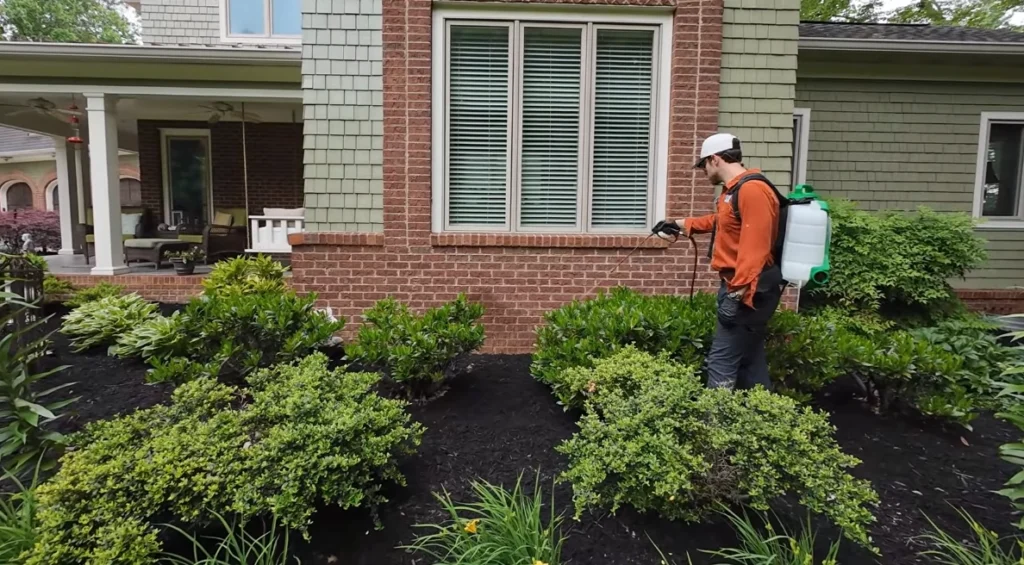
Licensed technicians primarily use non-repellent liquid termiticides, most often Fipronil-based products such as Termidor or the generic equivalent Taurus SC. Because the treated zone is undetectable to termites, they forage through it, pick up the active ingredient, and carry it back to the colony, a mechanism called the transfer effect, which is what allows liquid treatment to reach termites you never directly contacted. Bait stations placed around the perimeter add a second layer aimed at colony elimination rather than just perimeter defense. Every product is EPA-registered, and in Arizona, only a technician licensed through the Pest Management Division may legally apply it.
How Much Does Termite Treatment Cost in Arizona?
Cost depends heavily on infestation severity and treatment method, from a localized liquid barrier treatment on the low end, up to whole-structure fumigation for severe, established drywood infestations on the high end. As a reference point, the average termite repair (after damage has occurred) runs around $3,000, with severe cases reaching well into the tens of thousands, which is why early inspection and prevention cost a fraction of what repair does. We provide a written, itemized quote after inspection, before any treatment begins.
Does Homeowners Insurance Cover Termite Damage in Arizona?
No. Standard homeowners insurance treats termite damage as a preventable, maintenance-related issue and excludes it from coverage. That makes ongoing prevention and monitoring the only practical protection against a cost that otherwise falls entirely on the homeowner.
What Is a WDIIR and Do I Need One?
A Wood-Destroying Insect Inspection Report (WDIIR) is a state-regulated, two-page report commonly called a termite report required by most lenders before a home sale closes in Arizona. Only a pest control business licensed by the Arizona Department of Agriculture’s Pest Management Division may issue one. It documents visible evidence of termites or other wood-destroying insects, any conditions that could attract them (wood-soil contact, moisture sources, debris against the structure), and any prior treatment on record. If you’re buying, selling, or refinancing a home in Sierra Vista, expect this to come up in your transaction.
Our Termite Treatment Process
- Inspection & identification. Confirming subterranean vs. drywood activity before recommending any treatment.
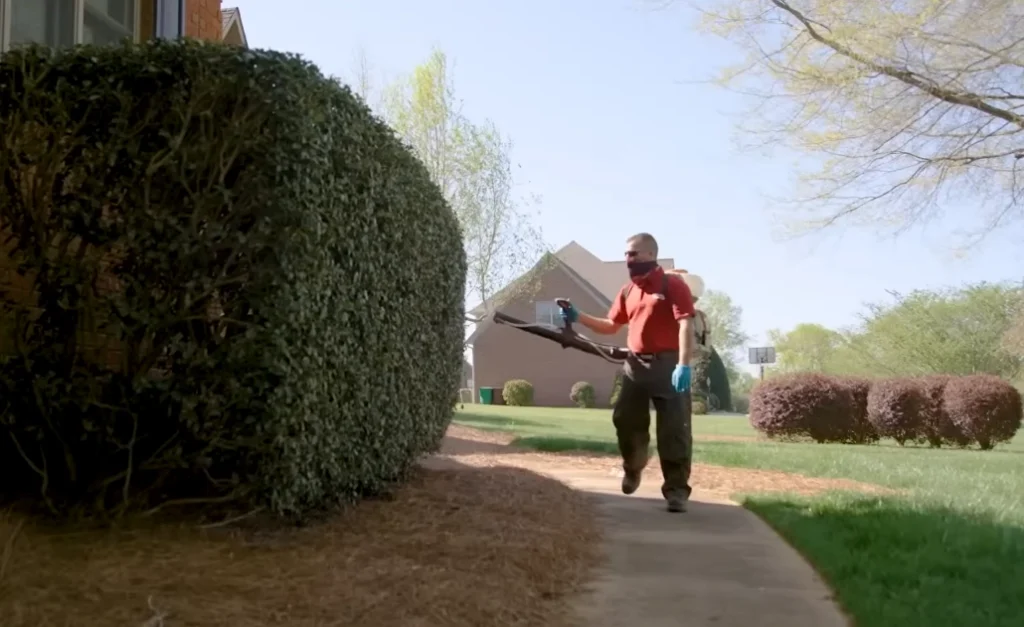
- Liquid barrier treatment. Non-repellent termiticide applied around the foundation, expansion joints, and known entry points.
- Bait station placement. Positioned at intervals around the perimeter for ongoing colony-level monitoring and control.
- Follow-up inspection. Typically at 90 days, then on an annual monitoring schedule.
- WDIIR issuance. Available on request for real estate transactions, signed by a PMD-licensed inspector.
Termite Swarms: What You’re Actually Seeing
A termite swarm is a colony’s reproductive event, with winged termites (called alates) leaving an established colony to mate and start new colonies elsewhere. In Sierra Vista, subterranean termite swarms are most commonly triggered by warmth and humidity following monsoon rain, which is why homeowners often notice discarded wings on windowsills within days of a summer storm. A swarm inside or right next to your home is a strong sign of an established colony nearby, not just a passing nuisance. It warrants an inspection, even if you don’t see any other damage.
Liquid Barrier vs. Bait Stations vs. Fumigation: Which Do I Need?
- Liquid barrier treatment: best for confirmed or suspected subterranean activity at the foundation; creates a non-repellent treated zone that termites unknowingly carry back to the colony
- Bait stations: best for ongoing colony-level monitoring and control around the full perimeter, often paired with liquid treatment rather than used alone
- Localized wood treatment: appropriate for a confirmed, contained drywood termite infestation in a specific piece of framing or furniture
- Whole-structure fumigation: reserved for severe, widespread drywood infestations that have spread through multiple areas of a structure and can’t be reliably reached with localized treatment
What Happens If I Ignore Early Termite Signs?
Subterranean termite colonies can grow into the hundreds of thousands of members and, left unchecked, cause structural damage that’s expensive and, in the worst cases, dangerous to load-bearing wood. Because most activity happens hidden inside wall voids, under slabs, behind stucco — damage is frequently more advanced than it looks from the outside by the time it’s noticed. Early inspection costs a fraction of what repair does, which is the core economic argument for prevention over reaction.
Termite Prevention Checklist for Homeowners
- Keep firewood, lumber, and wood debris away from direct contact with your foundation
- Fix leaking pipes, hose bibs, and irrigation lines that keep soil near the foundation consistently damp
- Avoid direct wood-to-soil contact for fences, trellises, and planters built against the structure
- Maintain a visible gap between mulch or soil grade and your home’s siding or stucco
- Schedule an annual termite inspection, even with no visible signs; most early activity is invisible without one
Do You Offer a Termite Treatment Warranty?
Treatment plans typically include a warranty period covering re-treatment if activity returns within the covered timeframe ask for the specific terms in writing before treatment begins. A written warranty is also one of the fastest ways to tell a legitimate termite company from one cutting corners; if a company won’t put treatment terms in writing, that’s a red flag worth taking seriously.
Frequently Asked Questions
Areas We Treat for Termites
- Sierra Vista, Sierra Vista Southeast, and the Highway 92 corridor
- Hereford, Whetstone, and Huachuca City
- Older, slab-foundation homes throughout Cochise County
Get a Free Inspection
Call or text +1 (520) 210-7030 to schedule a free inspection with a licensed Sierra Vista technician. We’ll show you exactly what we find and what it will cost before any work begins.
Pest Control Sierra Vista AZ 51 S 2nd St, Sierra Vista, AZ 85635 +1 (520) 210-7030