Bee & Wasp Removal Sierra Vista, AZ | Same-Day Service Available
Pest Control Sierra Vista, AZ provides safe removal of beehives, wasp nests, and swarms across Sierra Vista. Call +1 (520) 210-7030 for emergency bee or wasp removal. and Cochise County, including Africanized honey bee colonies, which now make up the large majority of wild colonies in Arizona.
Are the Bees in Sierra Vista Africanized (“Killer Bees”)?
Assume yes. Africanized honey bees a hybrid of African and European honey bee subspecies, first established in Arizona in the early 1990s now make up the large majority of wild colonies statewide. They look nearly identical to ordinary European honey bees, so sight alone can’t confirm which type you’re dealing with; the difference shows up in behavior. Africanized colonies defend the hive far more aggressively, respond to disturbances from greater distances, and can deploy far larger numbers of defenders when threatened. Because of this, we treat every established wild colony as Africanized until confirmed otherwise.
Are Africanized Bees Dangerous?
Yes not because individual stings are more toxic, but because of the numbers involved. An Africanized colony can respond to a disturbance with hundreds or even thousands of defenders at once, which is what makes swarming attacks dangerous even for people without a bee allergy. Fatal incidents involving Africanized bee attacks have occurred in Arizona, underscoring why hive removal should never be attempted without training and protective equipment.
What Should I Do If I Find a Bee hive or Swarm?
- Do not approach, spray, or disturb the hive or swarm
- Keep children and pets away from the area immediately
- If bees become aggressive, move quickly indoors or into a vehicle and close doors and windows
- Call a licensed removal service rather than attempting DIY spray or foam treatment
- Seek emergency medical care immediately for multiple stings or any signs of a severe allergic reaction (difficulty breathing, facial swelling, dizziness)
Where Do Bees and Wasps Typically Nest in Sierra Vista Homes?
- Wall voids, attics, and rooflines
- Block wall cavities and irrigation or water meter boxes
- Eaves, soffits, and patio covers (common for paper wasps)
- Sheds, debris piles, and abandoned structures
Bees vs. Wasps vs. Carpenter Bees: Know What You’re Dealing With
- Honey bees (including Africanized colonies): fuzzy, golden-brown, build wax comb in cavities like wall voids and attics removal approach depends heavily on confirming Africanized behavior first
- Paper wasps: build small, open umbrella-shaped nests under eaves and patio covers; generally less aggressive than yellowjackets unless the nest itself is disturbed
- Yellowjackets: more aggressive, often nest in ground cavities or wall voids, and are a common cause of late-summer sting incidents
- Carpenter bees: large, mostly black, solitary bees that bore into exposed wood (eaves, fascia boards, patio structures) rather than building hives a wood-damage concern more than a swarming risk
When Is Bee and Wasp Season in Sierra Vista?
Activity typically builds through spring as new colonies establish and peaks through summer heat, with wasps particularly active into early fall as colonies reach maximum size before winter die-off. Swarms large, temporary clusters of bees relocating to a new nest site are most common in spring and are usually less aggressive than an established hive, though still not something to approach without training.
What Does Bee or Wasp Removal Cost?
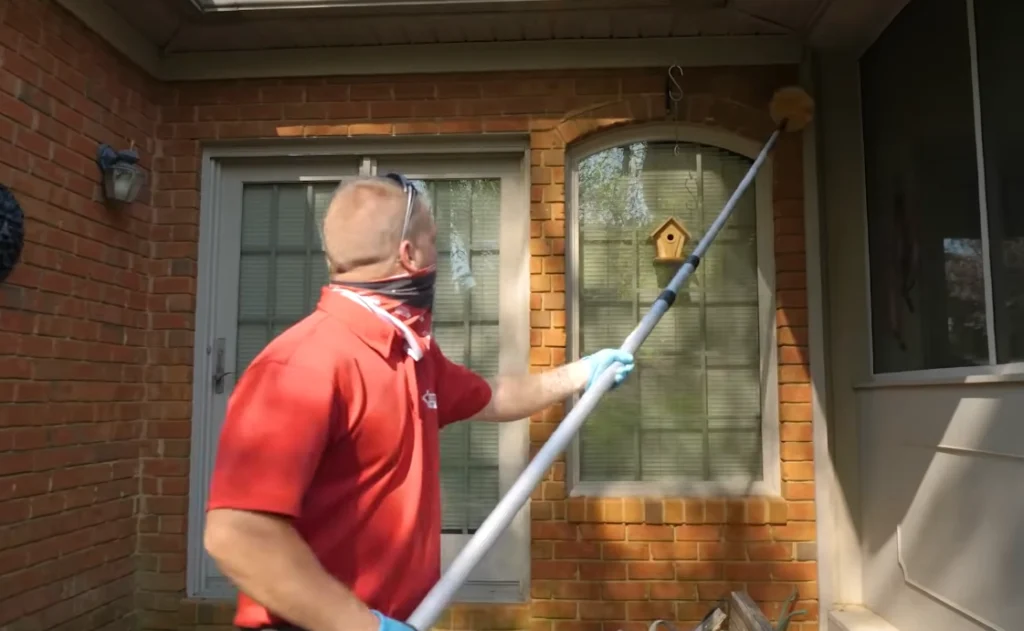
Cost varies significantly based on colony size, nest location (an exposed eave nest is far simpler than a hive established deep inside a wall void), and whether honeycomb removal and repair work are needed. A same-day emergency removal for an actively defensive colony is typically priced differently than a routine, non-urgent wasp nest removal. We assess and quote before starting work.
Bee and Wasp Prevention Checklist
- Seal potential nesting cavities wall voids, water meter boxes, irrigation boxes, eave gaps
- Inspect the property each spring for early swarm activity before a colony fully establishes
- Keep exposed wood (fascia, eaves, patio structures) painted or sealed to deter carpenter bees
- Avoid leaving sugary drinks, fallen fruit, or open trash accessible outdoors, which attract foraging wasps
Why DIY Bee Removal Is a Bad Idea in Arizona
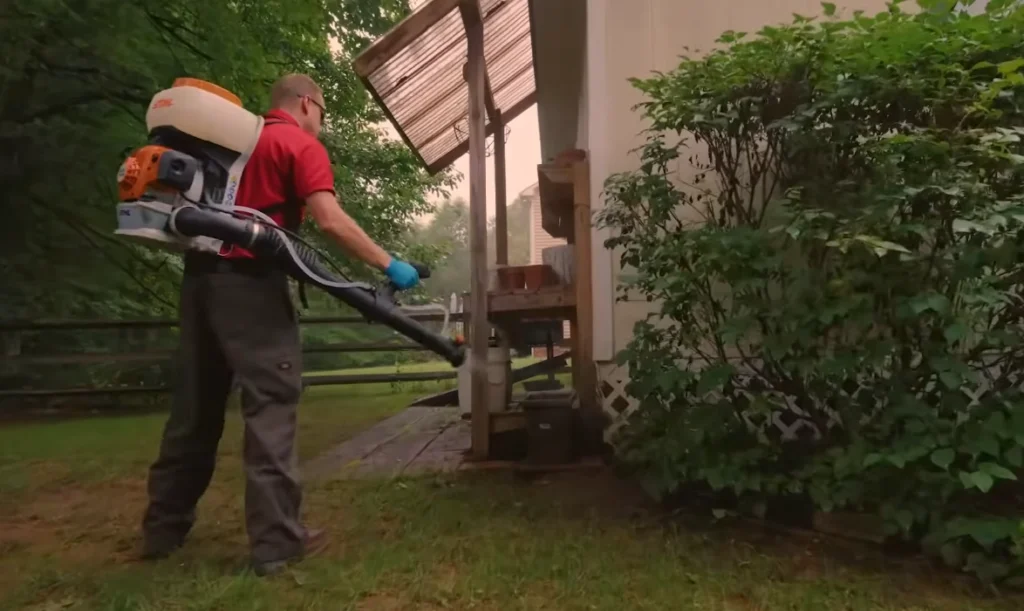
Store-bought wasp and hornet sprays are built for a small, exposed nest with a handful of defenders not a defensive colony that can be Africanized. Spraying or disturbing a wall-void colony without confirming its temperament first can trigger a mass defensive response before you’re anywhere near protective equipment. Leftover honeycomb from an incomplete DIY attempt is also a magnet for the next colony, meaning a failed DIY removal often makes the underlying problem worse, not better.
A Short History of Africanized Bees in Arizona
Africanized honey bees are a hybrid of African and European honey bee subspecies, originally developed in Brazil in the 1950s to improve honey production in tropical climates. Some escaped captivity and spread north over subsequent decades, becoming established in Arizona in the early 1990s. Because Africanized genetics have spread so widely through the state’s wild colonies since then, most pest professionals now treat any unmanaged, established wild colony in Arizona as Africanized by default rather than the exception.
Can I Just Leave the Hive Alone If It’s Not Bothering Anyone?
Sometimes, if the colony is genuinely isolated from foot traffic, pets, and structures but this needs a professional judgment call, not a guess. A colony that seems calm today can become defensive as it grows, and a hive established inside a wall void will continue expanding honeycomb, which eventually causes its own structural and moisture problems even if no one is ever stung. If the hive is anywhere near a walkway, patio, driveway, or shared yard space, removal is the safer call.
Our Bee & Wasp Removal Process
- Risk assessment. Confirming species, colony size, and location before any removal begins.
- Live removal when possible. Honey bee colonies relocated through licensed beekeeping partners where conditions allow.
- Full honeycomb removal. Comb left behind in a wall void attracts future colonies and can lead to structural damage from melting comb full removal prevents both.
- Seal-up. Closing the entry point after removal so the same location doesn’t attract a repeat colony.
- Wasp nest treatment. Targeted removal for paper wasps and yellowjackets, which are handled differently than honey bee colonies.
How Fast Can You Respond to an Active Bee Swarm?
An actively defensive colony near a walkway, patio, or entry door is treated as an urgent call, not a routine scheduling request. A calm swarm resting temporarily in a tree (common in spring as colonies relocate) is generally lower urgency than an established hive that’s already defending territory, but either situation should be assessed by a professional rather than left alone indefinitely swarms do settle into permanent nests if given enough time.
Frequently Asked Questions
Areas We Serve
- Sierra Vista, Sierra Vista East, and surrounding subdivisions
- Hereford, Whetstone, and Huachuca City
- Fort Huachuca and nearby military housing
Get a Free Inspection
Call or text +1 (520) 210-7030 to schedule a free inspection with a licensed Sierra Vista technician. We’ll show you exactly what we find and what it will cost before any work begins.
Pest Control Sierra Vista AZ 51 S 2nd St, Sierra Vista, AZ 85635 +1 (520) 210-7030